HISTORY OF THE DANISH VINEYARD
Let’s explore the Danish vineyard, one of the newest in modern viticulture. It has been steadily developing over the years and perfecting itself with wines that are increasingly high-quality and precise.
Until the 1990s, Denmark’s wine production was very marginal (table grapes), and the wine consumed in the kingdom was mainly imported (from Spain and Italy).
In 1993, with the creation of the Danish Wine Producers’ Association (Copenhagen), the Danish wine industry began to structure itself. In 2001, the first Danish wines appeared on the national market. In 2017, the association changed its name to “Foreningen Dansk Vin” (Danish Wine Association).
Today, the Danish wine landscape consists of around one hundred estates, only some of which market their production. There are about 1,000 micro-producers for whom viticulture is more of a hobby than a real commercial activity. These micro-producers often engage in polyculture (fruit trees, honey production, local products, etc.).
SOILS & TERROIRS
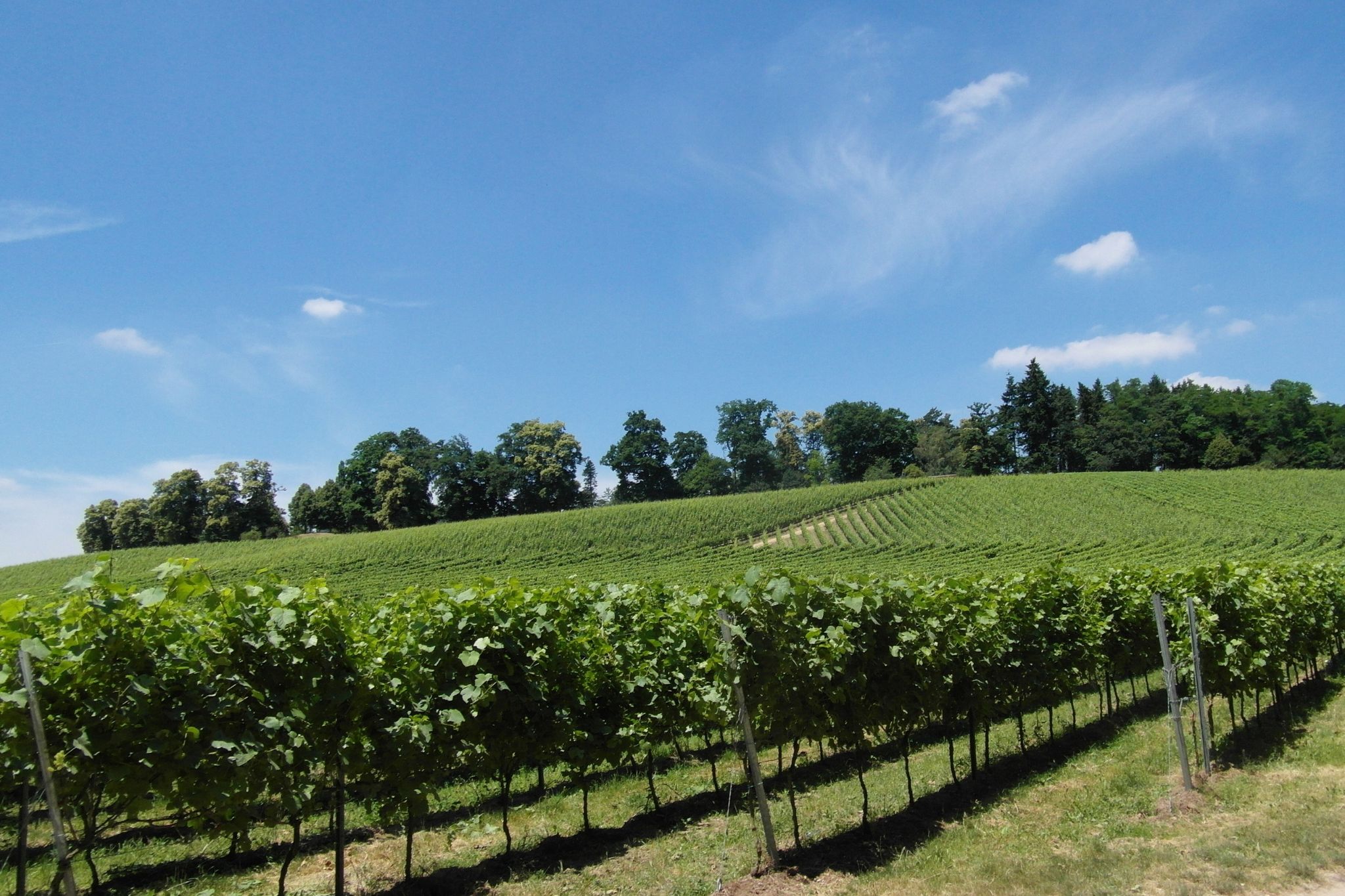
In Denmark, the location of the vineyards is a key factor in producing quality wines. With a total area of 100 hectares, Danish vineyards, limited in size by the European Union, are among the smallest in the world (France, for example, has 750,000 hectares!). The vineyards are spread across the three islands of the country: Jutland, Zealand, and Funen, and consist of micro-terroirs. The vines mainly grow on sandy soils along the coasts and on clay soils inland.
Benefiting from favorable westerly winds and a milder climate, the coastline of Jutland provides a climate conducive to vine cultivation, and it hosts the country’s most important vineyards. The inland region consists of hills where the south-facing exposure of the vines is an important factor in preventing spring frosts and achieving optimal grape ripening. The vines of Zealand and Funen, on the other hand, grow on relatively flat soils, where the risk of frost is higher.
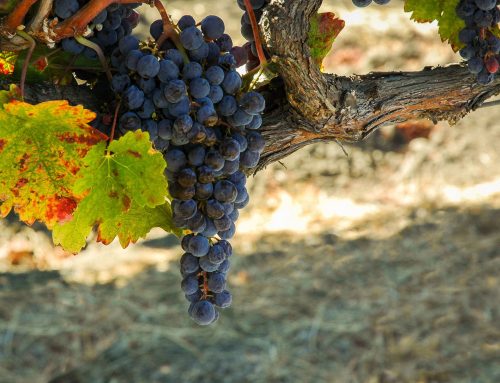
The emblematic white grape variety is Solaris, a productive and hardy German hybrid, resistant to cold and diseases (other white varieties include Muscaris and Orion). Its red counterpart is Rondo, known for its resistance to mildew, and Cabernet Cortis, which is highly resistant to mildew and powdery mildew.
CLIMATIC CHALLENGES & STRICT ENVIRONMENTAL STANDARDS
With harsh winters, persistent cold, abundant spring rains, and limited sunshine, growing vines is a real challenge. A range of new grape varieties, less sensitive to cold and with a short maturation cycle (e.g., Solaris for white and Cabernet Cortis for red), are cultivated as a priority.
Environmentally, production standards are among the strictest in the European Union. From the vineyard (soil management, organic treatments) to the finished product, respecting nature is a guiding philosophy. This is partly why Danish wines contain no sulfites.
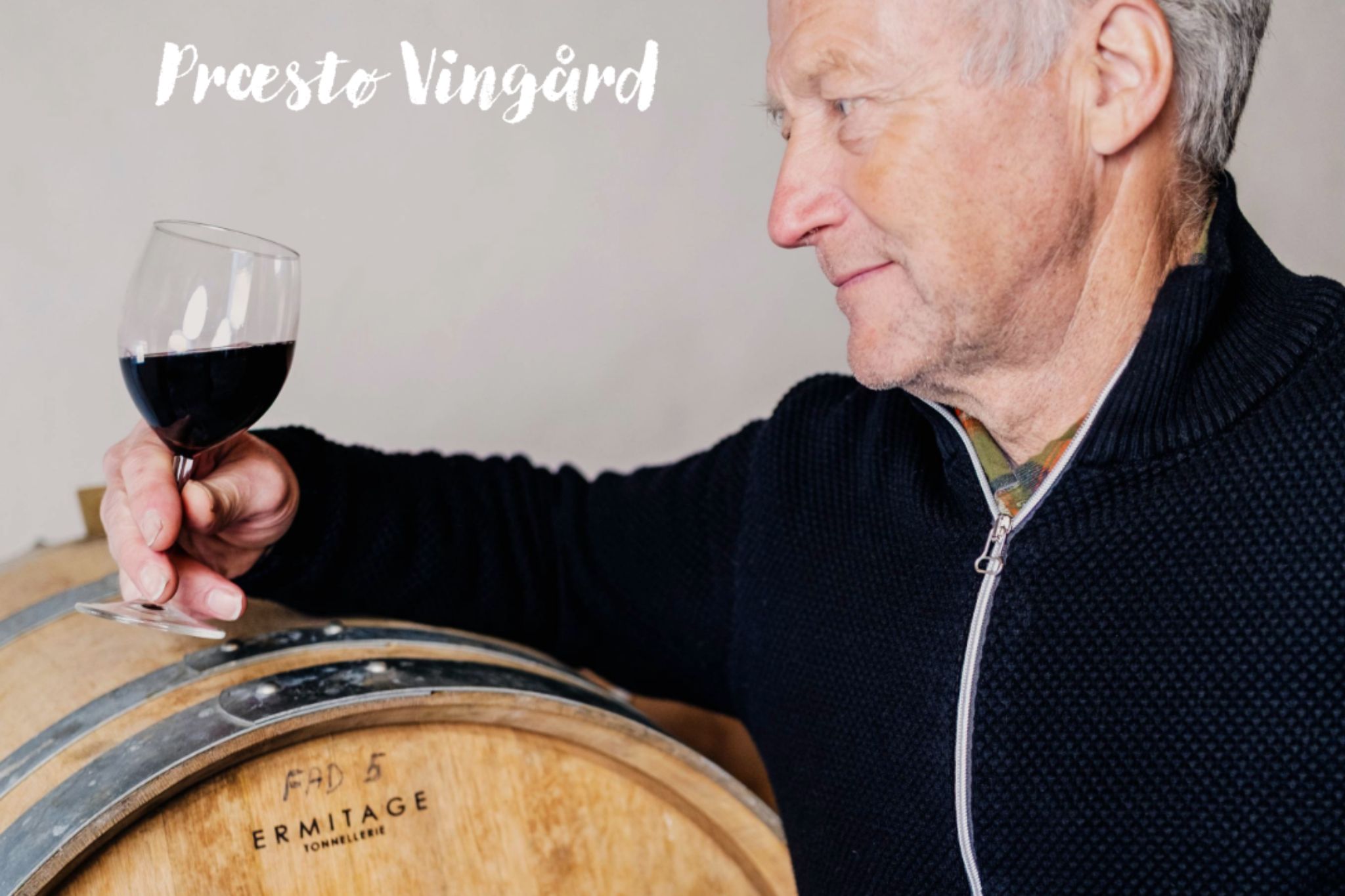
TESTIMONY FROM PRÆSTØ VINGÅRD, MR. MORTEN HANSEN, A CLIENT OF TONNELLERIE ERMITAGE
“We launched our own winery in 2021, after several years of vinifying our grapes in an external cellar. At that time, no red wine had yet been made on-site, although we had already started aging our white wines in barrels. We had a red wine stored in a tank. In 2022, Édouard from Tonnellerie Berthomieu / Ermitage reached out to us. He assisted and advised us in selecting barrels suited to our wine profile.
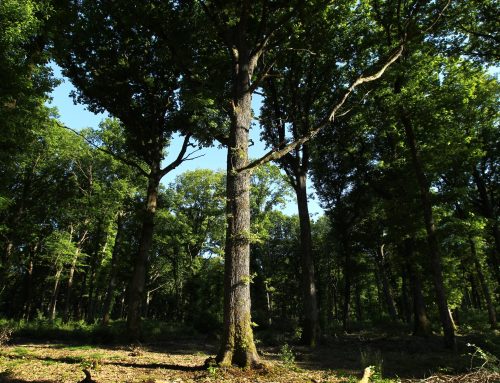
The Solaris grape produced a very fine vintage that year. It was our first wine produced on-site — and it even won a bronze medal. We chose to age part of this cuvée in Ermitage barrels (oak from the Bertranges Forest, medium-long & medium toast). The Ermitage barrels bring a beautiful freshness and a fine structure.
Our 2023 Solaris then spent six months in the same barrel. The result: an even more harmonious wine that impressed both our customers and the discerning wine lovers who came from Southern Europe.
We also explored the potential of our reds in oak barrels. Our full-bodied 2022 reds were aged for 12 months, and in 2023, one of our lighter reds, aged for six months in new barrels, was awarded the best young wine of Denmark. It even scored higher than older reds! We still have a barrel of this same cuvée, which we’ve decided to age for 18 months, convinced that time and the barrel will add even more to it.
For us, choosing a new oak barrel is both a matter of heart and conscience. Before producing wine, we planted a hundred oak trees in our windbreak hedges around the vineyard.”