Cypriot viticulture is one of the oldest in the Mediterranean world. Aphrodite (born in Cyprus) and Dionysus were its first ambassadors. For this new newsletter, we invite you on a journey through the Mediterranean islands to discover the treasures of Cypriot viticulture.
One of the oldest vineyards in the world
Wine production on the island of Cyprus has undergone profound changes over the centuries. While Cypriot wines were highly prized during the Middle Ages, the island’s viticulture experienced a downturn during Cyprus’ time under the Ottoman Empire from 1571 to 1878. The arrival of the British at the end of the 19th century revived wine production. The interwar period saw significant growth in the wine industry, with mass production favored to meet global demand. In the 1980s, as consumer tastes evolved, Cypriot winemakers were encouraged to focus on quality over quantity, marking the birth of terroir wines on the island.
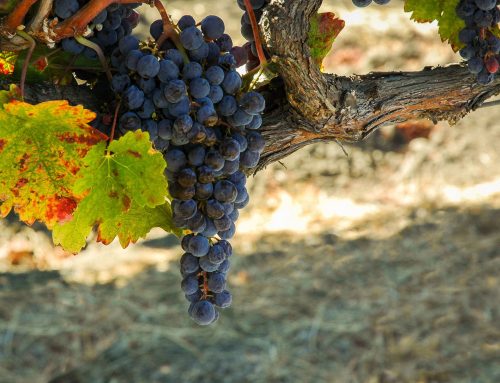
Today, Cyprus is home to around 60 estates covering approximately 10,000 hectares. Benefiting from the Mediterranean climate and located between 250 and 1,500 meters above sea level, the Cypriot vineyard is one of the highest in Europe and boasts a wide variety of terroirs and indigenous grape varieties such as Xynisteri, Maratheftiko, Yanoudi, Mavro, and Ofthalmo. Although international grape varieties are also present, the focus is on developing and promoting local varieties.
Three regions stand out: the hilly Limassol region, ideal for red wine production; Paphos, with its varied terroirs and microclimates (influenced by both sea and mountains); and the Troodos Mountains, a perfect terroir for producing highly precise white wines.
The wineries are equipped with all the modern tools needed to produce high-quality wines. While red wine production remains dominant (Mavro accounts for 50% of the vineyard), white wine (Xynisteri represents 25% of the vineyard) and rosé wine production have been growing rapidly in recent years. The white wines are highly expressive, with lots of freshness and pronounced acidity. Cyprus also produces a grape marc spirit known as Zivania, which is highly appreciated by the locals.
How could we discuss Cypriot viticulture without mentioning the “Wine of Kings and Gods” (as named by Richard the Lionheart): Commandaria. Commandaria is a sweet amber-colored wine made from sun-dried Xynisteri (a white grape) and Mavro (a red grape). The wine is then fortified* with grape spirit (minimum 94.5% alcohol by volume) or distilled wine (70% alcohol by volume), allowing it to reach a final alcohol content of around 15%. Fortification is not mandatory. Commandaria is then aged for several years in oak barrels. Commandaria is one of the oldest appellations in the world, dating back approximately 2,800 years, and its production rules are very strict: vinification at the estate, aging in barrels for at least two years, no transferring of the wine outside the production area during fermentation, vineyards must be at least four years old, vines must be pruned into goblets, and planting density is regulated (pre-1969: 2,750 vines/hectare, post-1969: 2,000 vines/hectare).
According to historical records, this precious liquid even had the honor of winning the very first wine tasting competition organized by French King Philip Augustus (Battle of the Wines, 13th century).
To be consumed in moderation… if you can resist!
Fortification is the process of halting or stopping alcoholic fermentation by adding alcohol or sulfur dioxide.
—
FOCUS ON NELION WINERY
Testimony from Marinos Ioannou, owner:
“The soils of Cyprus are unique due to their geological complexity, the island’s Mediterranean climate, and the long human presence in the landscape. The geology of Cypriot vineyards is dominated by the Troodos ophiolite and limestone.
On the slopes of Diarizos, where Nelion’s vineyards are located, limestone is the primary soil type. The limestone soil and the temperature variation (hot during the day and cool at night) result in low yields, with the grapes having high acidity and more concentrated juice. The philosophy of the winery is to produce red wines with high acidity and low tannins, and bold white wines.
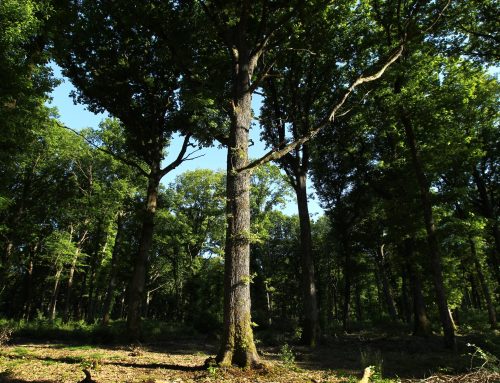
For aging these wines, we use Ermitage barrels made from staves sourced from the forests of Allier and Bertranges.
For our red wines, we use 50% Allier barrels and 50% Bertranges barrels (300 liters over 12 months). The wine aged in Allier barrels has a more intense aroma with well-structured body. The wine aged in Bertranges barrels becomes finer, with more subtle and refined aromas. The blend of these two wood origins produces a unique wine.
For our white wines, we have used the same barrels to maintain a consistent character across our wines. In the Bertranges barrels, the wine is powerful and elegant with a complex aroma due to both the grape variety and the barrel. In the Allier barrels, the wine needs more than 12 months for the barrels to integrate well with the wine.”
Marinos Ioannou, owner of Nelion Winery
—
Testimony from Vlassides Winery
“Over 50% of the barrels used by Vlassides Winery come from Tonnellerie Ermitage. Ermitage barrels offer reliable tools for winemaking and aging.
The choice of forest depends on the style and aging potential the winemaker wants for the final product. For example, when a red wine is aged for 12 months in French oak barrels and then bottled, the choice of forest and toasting is made to achieve the proper micro-oxygenation and softness, ensuring a balanced finish with refined tannins.
Our choice to use Ermitage barrels is related to the organoleptic characteristics we want for our wines. It is very important that our wines, when they come out of the barrels, have retained the aromatic profile of the grape variety, the fruit. By using the appropriate Ermitage barrels (oak, barrel toasting) for each variety, we achieve the desired effect.
An example is the Artion blend, a combination of Cabernet Sauvignon, Merlot, and Shiraz, fermented and aged in French oak Ermitage barrels for 18 months, then bottled and aged for at least 36 months. The choice of barrels is linked to the Bertranges forest (fine grain), with medium toasting, due to the wine’s slow maturation and long aging process.”
© Edouard Varron