How can one talk about the Languedoc vineyard without mentioning the Canal du Midi, which played a key role in the development of the wine trade? As early as the 18th century, it facilitated exchanges between Bordeaux, Toulouse, and Marseille, boosting regional viticulture.
This rapid growth also brought excesses: overproduction, declining quality, and, in 1907, the famous revolt of the Languedoc winegrowers, which gathered more than 200,000 demonstrators. From this crisis, wine cooperatives were born, initiating a true revival of the Languedoc vineyard.
In the 20th century, Languedoc chose quality over quantity. This decisive shift enabled several areas to obtain AOC (Appellation d’Origine Contrôlée) status in 2007¹.
AOP Malepère, a unique identity between ocean and Mediterranean
Located in the Aude department, between Limoux, Castelnaudary, and Carcassonne, AOP Malepère is the westernmost appellation of Languedoc-Roussillon.
It covers around 500 hectares, where 19 wineries² produce roughly 900,000 bottles per year of red and rosé wines made from Atlantic grape varieties (Merlot, Cabernet Franc, Malbec…).
The red wines are structured, elegant, and fruity, with aromas of red berries and spices. The clay-limestone terroir, bathed in sunshine and cooled by the fresh winds from the Montagne Noire, allows slow and harmonious ripening of the grapes.
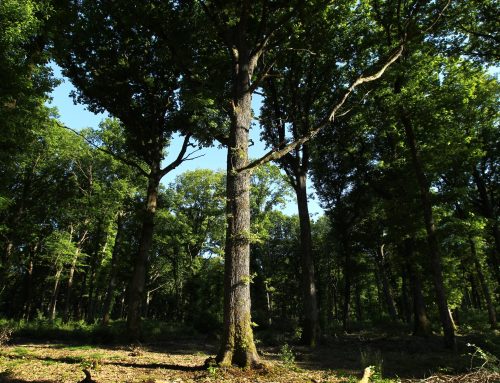
Classified as a Natura 2000 site since 2010, the Malepère massif embodies the balance between nature conservation and viticultural excellence.
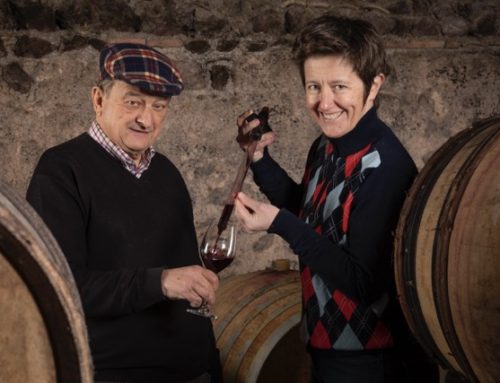
The full-bodied, tannic, and powerful wines produced under AOP Malepère are perfectly suited to aging in oak barrels. This type of aging softens the tannins while bringing freshness and roundness mid-palate. It allows notes of red berries and spices to fully express themselves, accompanied by discreet and elegant aromatic nuances that enhance the fruit and add complexity.
¹ AOP or AOC? What’s the difference?
• AOC: French quality and controlled-origin label.
• AOP: European equivalent, recognized and protected throughout the EU.
An AOC becomes an AOP once it is registered at the European level—the requirements remain identical.
² List of estates in AOP Malepère:
Anne de Joyeuse, Château de Caux et Sauzens, Château de Cointes, Château de Serres, Château Guilhem, Domaine de Matibat, Domaine des Souleilles, Domaine Girard, Domaine La Louvière, Domaine de la Sapinière, Château de la Soujeole, Domaine le Fort, Le Pas de la Dame, Domaine Rose et Paul, Les Cèdres de Robert, Vignobles Vendéole, Mas de mon Père, Château Belvèze, Domaine la Garenne.